


The difference between objects is blurred by mass production, while choosing your creative partner is no longer a logistical decision, it becomes a conceptual one. Collaborating with a design and execution studio like Metaliero doesn’t just mean aesthetic refinement. It means aligning with an entire system of values, processes, and intentions that can turn a piece of furniture into a declaration of identity.
Choosing a studio over a factory is not a whim or a gesture of exclusivity. It’s a clear positioning: prioritising quality over quantity, dialogue over directive, and experimentation over convention. It’s choosing a living relationship rather than a production line.
The fundamental difference between a factory and a studio lies in their relationship with the object. In a factory, the object is a standardized outcome, defined by process optimization. It’s efficient, repeatable, industrially compliant. But this efficiency kills uniqueness.
A studio, on the other hand, doesn’t produce in series, it produces in a series of one. Each piece is treated as a distinct entity, with its own internal logic, proportions, and expressive purpose.
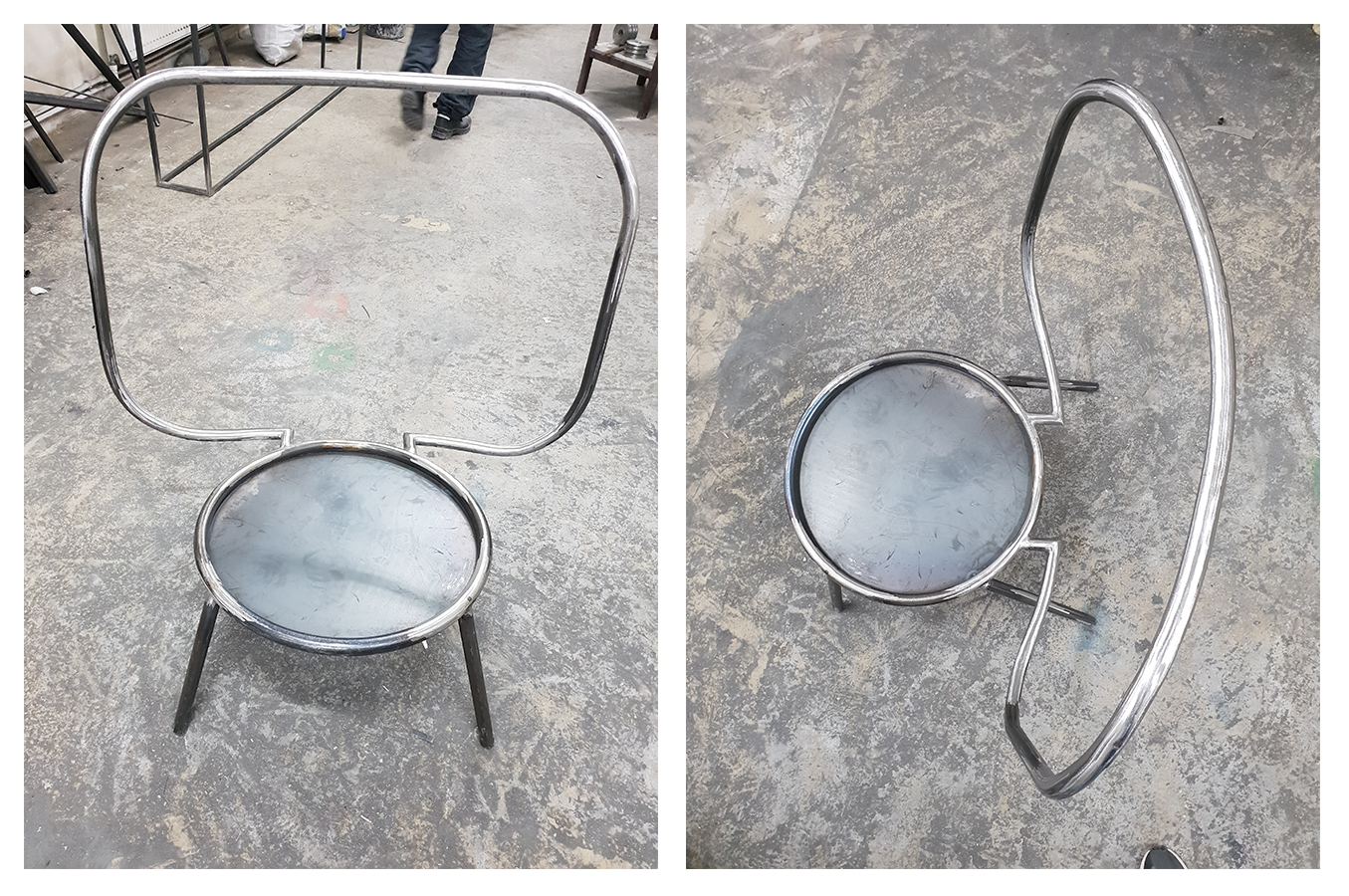
At Metaliero Studio, we start with a question: what do you truly want? What is the function and meaning of this piece in your context? These questions open space for reflection, not just execution.
A factory has a flow. A studio has a rhythm, organic, adaptable, sometimes unpredictable. In the studio, the client becomes part of the process. They engage in material choices, form decisions, proportion tweaks, finish selections. Dialogue isn’t a formality, it’s a foundational practice. A client doesn’t just order; they co-create. They’re listened to, questioned, invited into the process.
This participation generates a level of attachment missing from factory-made objects. The piece becomes not just a tool, but an extension of a conversation, a relationship.
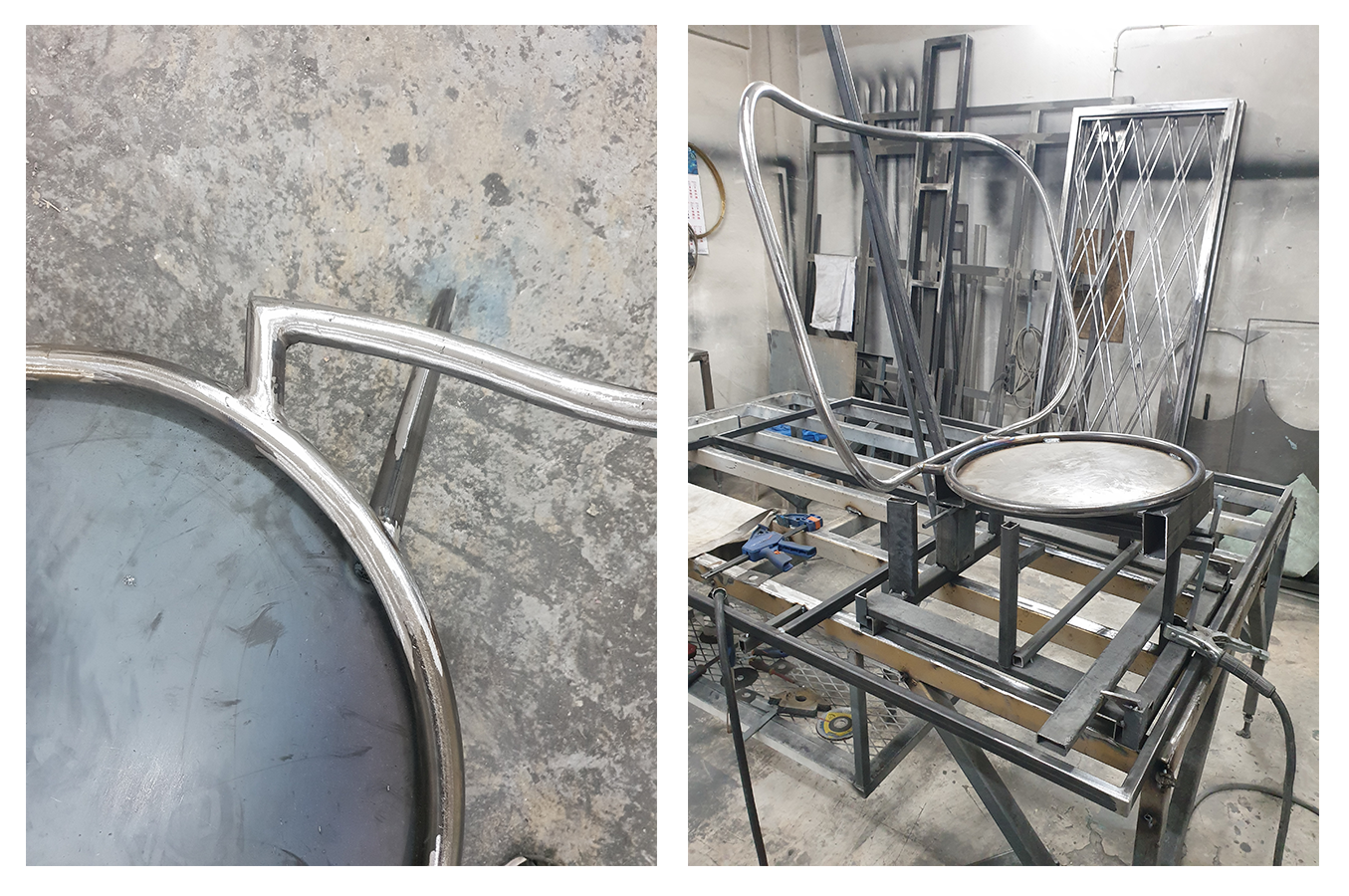
In a factory, time is cost. In a studio, time is an ingredient. A Metaliero Studio piece isn’t born in the rush of optimized flow. It emerges as the idea gains clarity, the form stabilizes, the details settle. It may take longer. It may involve prototyping and revisions. But this time gives the object density, depth, and story.
Factories can’t afford hesitation. Studios must hesitate. They reflect. Revisit. Test. Adjust. Ask: is this the right form? Is this the energy we want to transmit? And that process becomes visible in the final object.
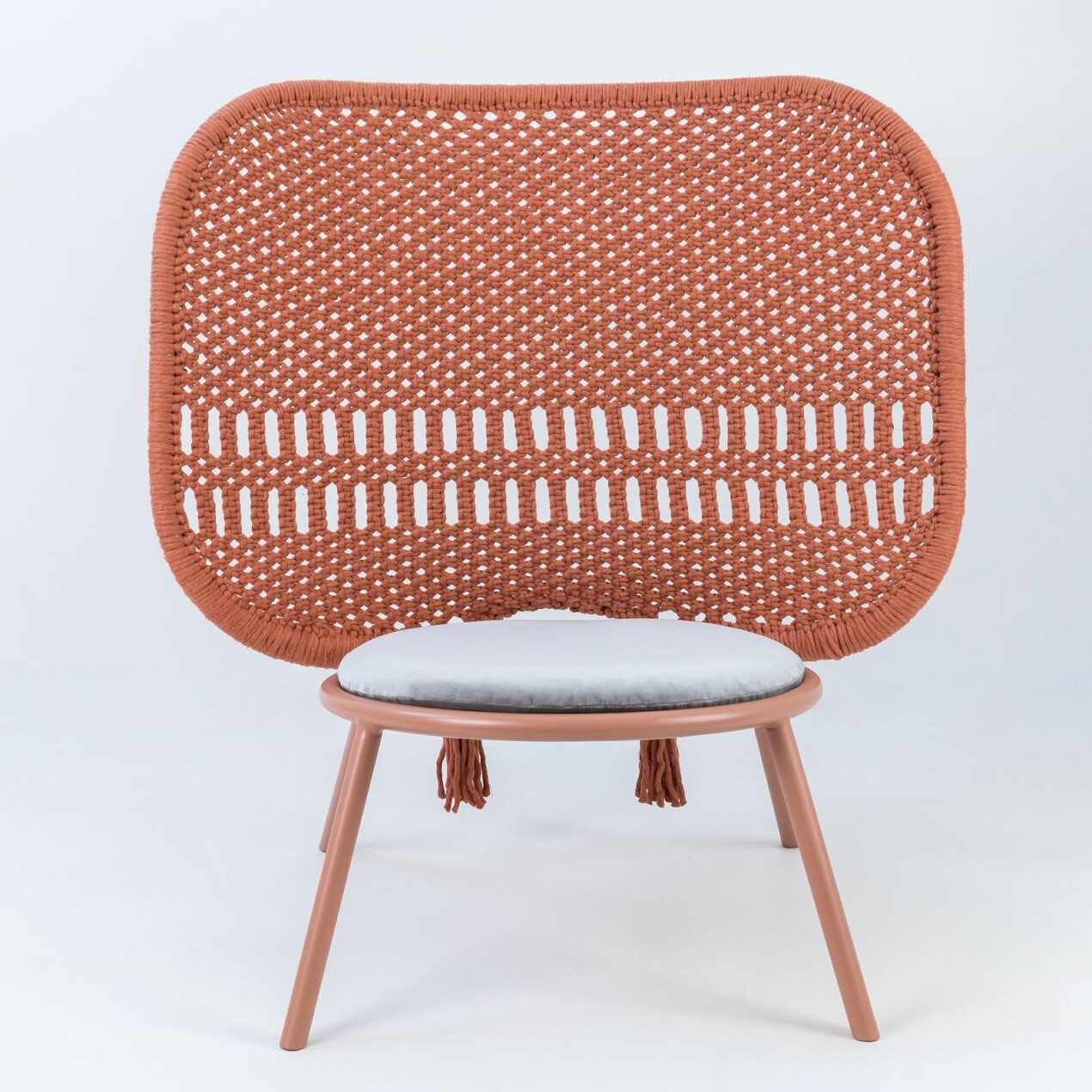
Factories optimize. Studios innovate. Without being constrained by production lines, studios have the freedom to experiment. To combine materials. To propose unexpected structures. To accept technical challenges. They are labs, not assembly chains.
Craft, the living intelligence of the hand—is at the core of creation. At Metaliero, our makers aren’t executors. They are authors. Every piece bears the subtle imprint of the human hand. That difference, between perfect and alive is everything.
A factory may recycle. A studio repurposes meaning. When you create a unique object, you also create a durable relationship. A Metaliero piece is made to stay, to grow old with its owner, to anchor itself in a space. Sustainability, in this sense, is not just material-based, it’s emotional, intentional, timeless.
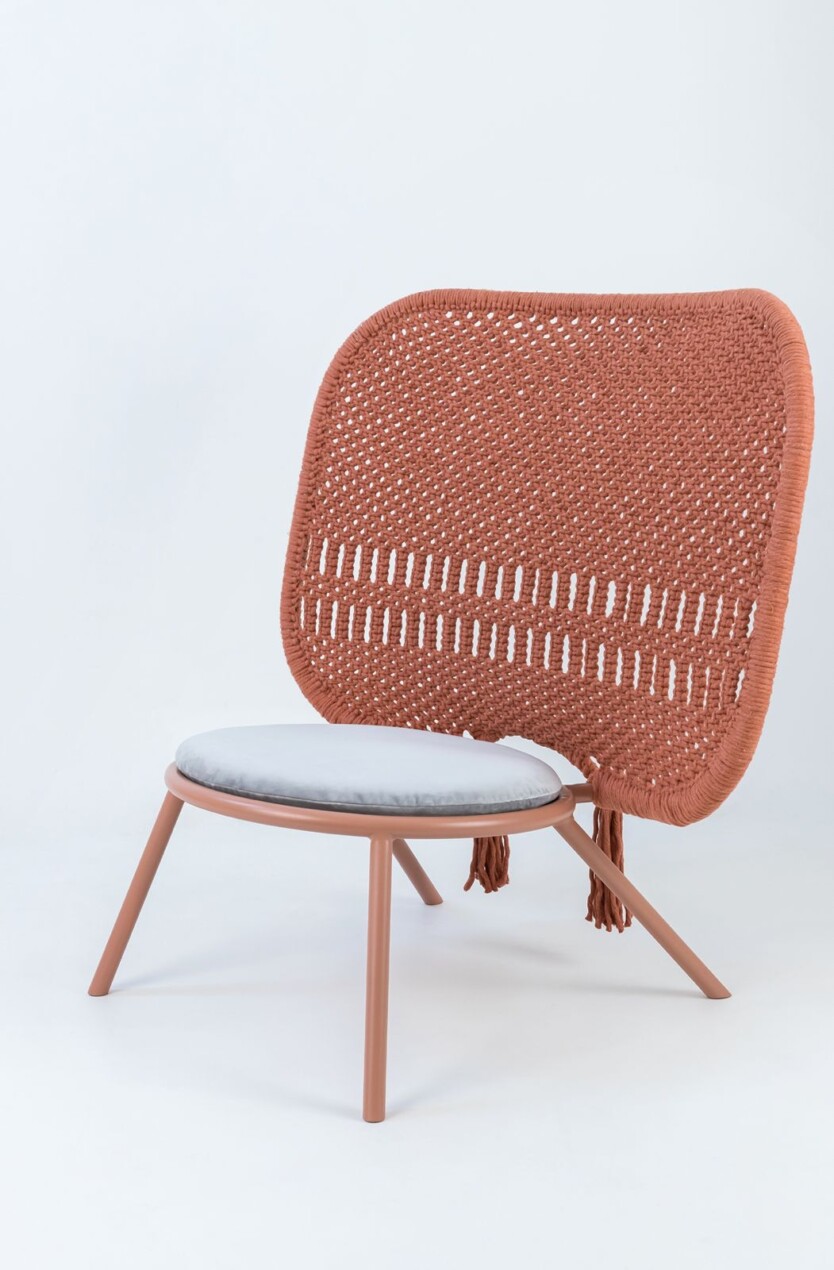
In a factory, an object is replaceable. In a studio, it is irreplaceable.
How an object is born influences how you perceive it, use it, and love it. A factory object is a solution. A studio object is an experience. It says something about you, about how much you value time, dialogue, process, and meaning.
For Metaliero clients, working with a studio means participation, not just purchase. It means creating something that can’t be bought anywhere else. It means living with an object, not just owning it.
The images featured in this blog are part of the
Scaun IU20
Authors: Arch. Irina Ursu
Design office: IUstudio
Collaborators:
Metal works: Metaliero
Photography: Alexandru Prodan